






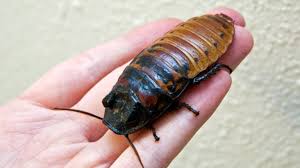
Cockroach infestations often appear to be resolved after professional treatment—only to resurface weeks or months later. This recurrence leads many property owners to assume the treatment failed. In reality, repeat infestations are usually caused by biological survival mechanisms, structural vulnerabilities, environmental conditions, or incomplete control strategies, rather than a single ineffective service.
Understanding why cockroaches persist after treatment is essential for achieving long-term control, especially in residential buildings, restaurants, and commercial properties.
Quick Summary: Why Cockroaches Return After Treatment
Most common reasons cockroaches come back:
- Egg cases survive initial treatments
- Hidden nesting areas are missed
- Follow-up treatments are skipped
- Neighboring units remain infested
- Moisture and food sources persist
- DIY sprays interfere with baiting
- Entry points are not sealed
Cockroach Egg Cycles Are the #1 Cause of “Reinfestation”
Cockroach egg cases (oothecae) are naturally resistant to many insecticides. While adult cockroaches may die quickly, eggs often survive and hatch later.
Key facts:
- German cockroach eggs hatch in ~28 days
- One egg case can contain 30–50 nymphs
- Newly hatched nymphs may appear weeks after treatment
This is why scheduled follow-ups are critical for long-term control.
👉 Related reading:
Missed Harborages Allow Hidden Populations to Survive
Cockroaches rarely live where they are seen. They hide in inaccessible areas that are often untreated during basic services.
Common hidden nesting locations
- Behind refrigerators and dishwashers
- Inside cabinet seams and hinges
- Electrical outlets and wall voids
- Under sinks and plumbing penetrations
If treatments focus only on baseboards or exposed areas, a significant portion of the population may survive.
👉 Related reading:
- https://www.pestline.ca/how-to-find-cockroach-nests
- https://www.pestline.ca/cockroach-infestation-signs
Egg Hatch vs. New Infestation (Table)
| Situation | What’s Happening | Why It Looks Like Failure |
|---|---|---|
| Cockroaches appear 2–4 weeks later | Eggs hatched after treatment | Eggs were unaffected initially |
| Small nymphs only | Growth cycle continuation | Adults already eliminated |
| Activity slowly increases | No follow-up treatment | Population matures again |
👉 Learn more:
Multi-Unit Buildings Reintroduce Cockroaches
In apartments, condos, and commercial plazas, cockroaches travel between units through shared infrastructure.
Common migration pathways:
- Plumbing lines
- Electrical conduits
- Drop ceilings
- Wall voids
Treating a single unit without addressing surrounding spaces often results in cockroaches returning from untreated areas.
👉 Related reading:
- https://www.pestline.ca/apartment-cockroach-control
- https://www.pestline.ca/commercial-cockroach-control
Moisture and Sanitation Problems Undermine Treatment
Chemical control does not eliminate the environmental conditions that allow cockroaches to survive.
Factors that attract cockroaches after treatment
- Leaking pipes or condensation
- Grease buildup behind appliances
- Cardboard storage
- Unsealed food
- Standing water under sinks
Important note:
Cockroaches can survive weeks without food, but only days without water. Moisture alone can sustain an infestation.
👉 Related reading:
- https://www.pestline.ca/what-attracts-cockroaches
- https://www.pestline.ca/prevent-cockroach-infestations
DIY Sprays Often Make Infestations Worse
Over-the-counter sprays kill visible cockroaches but rarely eliminate nesting populations. Many sprays are repellent-based, which causes cockroaches to scatter deeper into walls.
Problems caused by DIY treatments
- Spreads infestation into new areas
- Reduces bait effectiveness
- Increases insecticide resistance
- Delays proper control
👉 Related reading:
Insecticide Resistance Is Increasing
Some cockroach populations—especially German cockroaches—have developed resistance to common chemicals due to decades of exposure.
Modern control requires:
- Gel baits with delayed transfer effects
- Insect growth regulators (IGRs)
- Product rotation
- Non-repellent formulations
Single-product or single-visit approaches are rarely effective long-term.
👉 Related reading:
Entry Points Are Often Left Open
Even when populations are reduced, cockroaches can re-enter through unsealed gaps.
Common entry points
- Pipe penetrations
- Cracks in foundations
- Door thresholds
- Floor-wall junctions
- Drains without screens
Without exclusion work, treatments address symptoms rather than prevention.
👉 Related reading:
Integrated Pest Management Is the Only Long-Term Solution
Effective cockroach control includes:
- Species identification
- Targeted treatment of nesting sites
- Follow-up services timed with egg cycles
- Moisture and sanitation correction
- Structural sealing
- Coordination in multi-unit buildings
When one or more of these elements is missing, cockroaches are likely to return.
👉 Full overview:
Final Takeaway (Dot-Jot Summary)
- Cockroaches don’t “come back”—they survive
- Eggs, hidden nests, and neighboring units are the main causes
- Skipping follow-ups guarantees recurrence
- Moisture control is as important as chemicals
- DIY sprays often delay real solutions
- Long-term success requires an integrated approach