






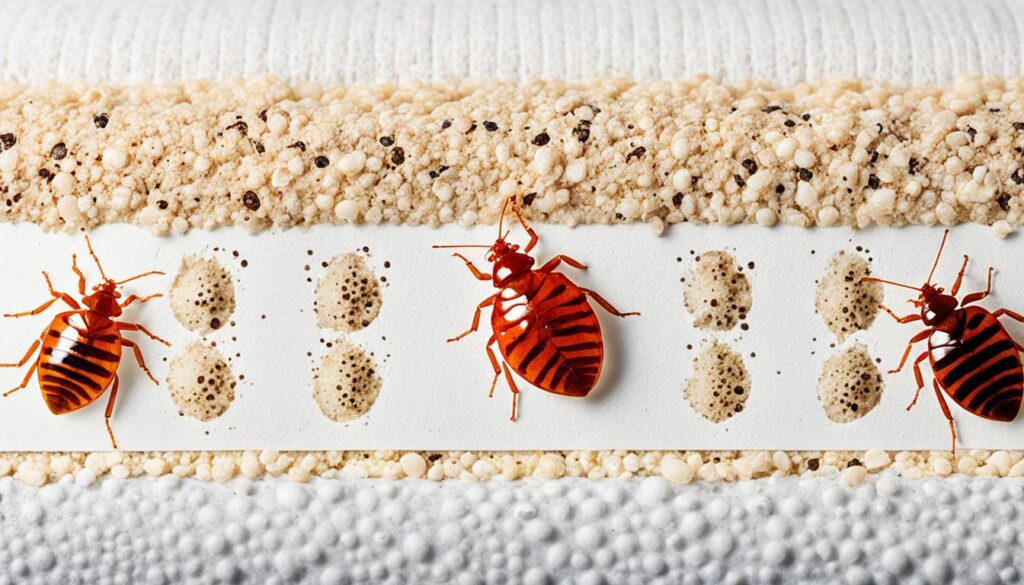
What scent kills bed bugs? Short answer: Essential oils like lavender, tea tree, eucalyptus, and peppermint can reduce bed bug infestations through their insecticidal and repellent properties. Research from sources such as the Journal of Economic Entomology and studies cited by SleepBloom and O’Donnell & Kearney show that these oils disrupt bed bug pheromones and behaviors. However, their effectiveness often depends on concentration and application methods, and they typically do not offer long-lasting protection. Combining essential oils with methods like heat treatments or diatomaceous earth enhances overall effectiveness
Its powerful, natural chemical compounds make it a valuable tool in an integrated pest management strategy. Although not a quick fix, consistent use of tea tree oil can significantly reduce bed bug populations and act as a preventive measure. Lets explore this topic in more detail with a quality chart that displays what scents kill bed bugs.
| What scent kills bed bugs? | Effectiveness on Bed bugs | Time to Kill | Application Method | Toxicity to Bed Bugs | Repellent Effectiveness | Required Concentration | Safety for Humans/Pets |
|---|---|---|---|---|---|---|---|
| Tea Tree Oil | Effective | Hours to days | Spray, direct contact | High | Moderate to High | High (5-10% concentration) | Safe in diluted form |
| Lavender Oil | Repellent | Hours to days | Spray, direct contact | Low to Moderate | High | Moderate (2-5% concentration) | Safe in diluted form |
| Eucalyptus Oil | Repellent | Hours to days | Spray, direct contact | Moderate | High | High (5-10% concentration) | Safe in diluted form |
| Neem Oil | Effective | Hours to days | Spray, direct contact | High | Moderate | Moderate (1-5% concentration) | Safe in diluted form |
| Peppermint Oil | Repellent | Hours to days | Spray, direct contact | Low | High | Moderate (2-5% concentration) | Safe in diluted form |
| Clove Oil | Repellent/Kills | Hours to days | Spray, direct contact | High | High | High (5-10% concentration) | Safe in diluted form |
| Cinnamon Oil | Repellent/Kills | Hours to days | Spray, direct contact | Moderate to High | Moderate to High | High (5-10% concentration) | Safe in diluted form |
| Thyme Oil | Repellent/Kills | Hours to days | Spray, direct contact | High | High | High (5-10% concentration) | Safe in diluted form |
| Lemon Oil | Repellent | Hours to days | Spray, direct contact | Low | Moderate | Moderate (2-5% concentration) | Safe in diluted form |
Notes on the Chart:
- Effectiveness: This refers to the overall ability of the essential oil to kill or repel bed bugs. Some oils, like tea tree and neem oil, are more effective at killing bed bugs, while others, like lavender and peppermint, are primarily used as repellents.
- Time to Kill: This is the amount of time it generally takes for the essential oil to affect bed bugs. Oils that kill tend to work over several hours to days.
- Application Method: Most oils are applied via spray or direct contact with bed bugs. For best results, oils should be sprayed onto cracks, crevices, and places where bed bugs hide.
- Toxicity to Bed Bugs: This measures how lethal the essential oil is to bed bugs, from mild to high toxicity.
- Repellent Effectiveness: Some oils, like lavender and peppermint, are more effective at repelling bed bugs than killing them. These oils are used as preventive measures.
- Required Concentration: Higher concentrations (typically 5-10%) are required for essential oils to be effective. Always follow dilution guidelines to avoid skin irritation or toxicity to pets.
- Safety for Humans/Pets: Essential oils can be toxic in high concentrations, so always dilute them and use with caution around pets and children.
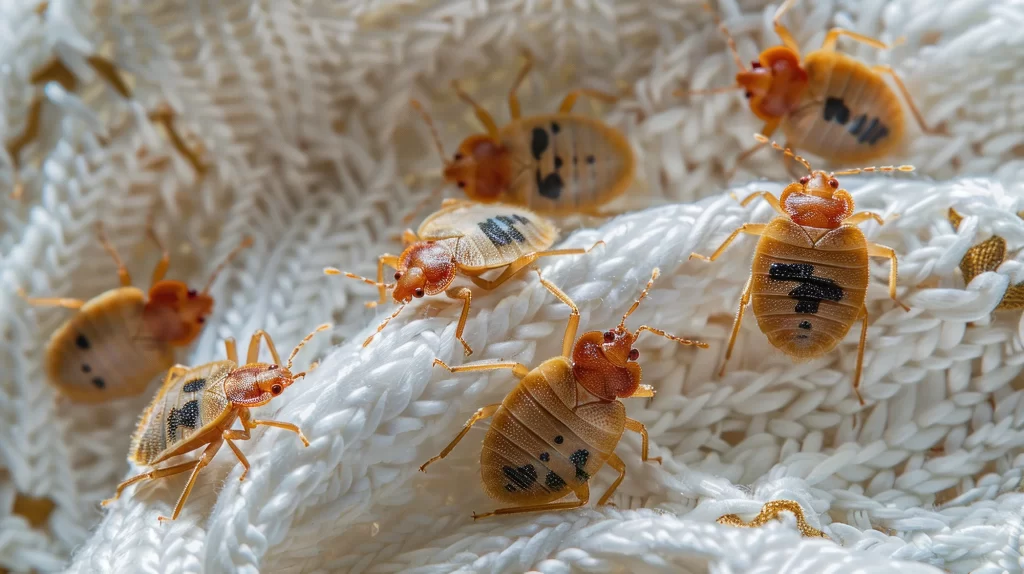
What do experts say about bed bugs and essential oils ?
Essential oils show promise in bed bug control, both in toxicity and repellent behavior. Research highlights several compounds that effectively kill or repel bed bugs. A Purdue University study identified compounds like carvacrol (from oregano and thyme), thymol (from thyme), citronellic acid (from lemongrass), and eugenol (from cloves) as the most potent against bed bugs
.
A separate study from North Carolina State University focused on the behavioral responses of bed bugs to these compounds. It found that essential oil constituents, such as geraniol, eugenol, carvacrol, and citronellic acid, successfully repelled bed bugs, although their ability to prevent feeding was less effective due to host-associated cues interfering with repellent responses
.
While plant-based essential oils offer safer, eco-friendly alternatives to synthetic pesticides, they typically require higher concentrations to be as effective. Continued research is needed to create more effective formulations of these oils for practical bed bug control applications
This expanded chart gives a fuller picture of the effects of essential oils on bed bugs, including their repellent properties and their safety when used in the home.
Essential oils have become a popular natural remedy for controlling pests, including bed bugs. Although these oils may not always provide a complete solution to a severe infestation, some scents have shown potential in repelling or killing bed bugs. Here’s a breakdown of essential oils known for their effectiveness against bed bugs:
1. Will Lavender Oil kill bed bugs? What scent kills bed bugs
Lavender oil is one of the most commonly used essential oils for bed bug control. Bed bugs dislike the strong, floral scent of lavender. It is believed that lavender oil can disrupt the nervous system of bed bugs, causing them to flee. Although it may not directly kill them, lavender is often used in sprays to help keep bed bugs away. To use, mix lavender oil with water and spray the affected areas.Lavender oil can help repel bed bugs but is not an effective method for eliminating them. Professional pest control treatments are necessary for thorough eradication.
2. Will Tea Tree Oil Kill bed bugs?

Tea tree oil is a powerful antimicrobial and insecticidal oil. It has been shown to have insecticidal properties that may kill bed bugs and their eggs. It is believed to disrupt the bed bugs’ exoskeleton, causing them to dehydrate. Tea tree oil is often combined with other essential oils or used as a standalone treatment in sprays.
3. Will peppermint Oil Kill bed bugs?

Peppermint oil is another effective repellent for bed bugs due to its strong, minty aroma. Studies have suggested that the scent of peppermint oil can irritate bed bugs and disrupt their normal behavior. Some anecdotal evidence also suggests that peppermint oil may have insecticidal properties. A solution of peppermint oil and water can be sprayed in areas where bed bugs are suspected.Peppermint oil might deter bed bugs but does not effectively kill them. Professional pest control treatments are a more dependable solution for eradicating infestations.
4. Will Eucalyptus Oil kill bed bugs?
Eucalyptus oil has a strong, sharp scent that is unpleasant to bed bugs. It is often used in combination with other essential oils for pest control. The oil’s natural insecticidal properties may help to repel and even kill bed bugs. A diluted solution of eucalyptus oil can be sprayed directly on infested areas, though its effectiveness may vary.Eucalyptus oil may repel bed bugs but is not proven to kill them effectively. Professional treatments are recommended for complete eradication.
5. Will Cinnamon Oil Kill bed Bugs?
Cinnamon oil is another oil that has shown some potential in repelling bed bugs. The strong scent of cinnamon irritates their nervous system and causes disorientation. While it might not directly kill bed bugs, it can be an effective part of a repellent strategy. You can mix cinnamon oil with water and spray it in areas where bed bugs are present.
6. Will Lemongrass Oil kill bed bugs?
Lemongrass oil is known for its strong citrus scent, which bed bugs find unpleasant. It also has insecticidal properties that can kill bed bugs on contact. Like many essential oils, it works by disrupting the bed bug’s nervous system, causing paralysis or death. Lemongrass oil can be mixed with water and used in a spray to treat areas where bed bugs are hiding.
7. will Clove Oil Kill bed Bugs?
Clove oil contains eugenol, a compound known for its insecticidal properties. It has been used in various pest control applications, including bed bug management. The scent of clove oil can repel bed bugs, and when applied directly, it may cause them to suffocate. It is often used in combination with other oils to enhance its effectiveness.
8. Will Citronella Oil kill bed bugs?
Citronella oil, widely used to repel mosquitoes, is also effective against bed bugs. The strong, citrusy aroma disrupts the bed bugs’ sensory system, making it difficult for them to detect hosts. Citronella oil is often used as part of a spray or in diffusers to keep bed bugs away. It is not necessarily lethal to bed bugs, but it can be an effective deterrent.
9. Does Rosemary Oil eliminate bed bugs?
Rosemary oil has been found to have insecticidal and repellent properties. Bed bugs tend to avoid the scent of rosemary, and some studies suggest it can be lethal to them when used in high concentrations. It is often combined with other oils like lavender or eucalyptus to improve its effectiveness in repelling bed bugs.
10. Does Thyme Oil kill bed bugs?
Thyme oil contains thymol, a compound known to kill various pests, including bed bugs. Thyme oil works by disrupting the nervous system of the insect, leading to death. It can be applied directly to infested areas in a diluted solution. Like many other essential oils, thyme oil is more effective as a repellent than a direct insecticide.
11. Does Neem Oil kill bed bugs?
Neem oil, derived from the neem tree, contains azadirachtin, which disrupts the development of insects. It has been shown to be effective in killing bed bugs by interfering with their molting process. While neem oil is often used in combination with other pest control methods, it can be effective when applied to cracks, crevices, and bedding.
How to Use Essential Oils for Bed Bug Control
To effectively use essential oils, they should be diluted with water or a carrier oil (like coconut or olive oil). Typically, about 20-30 drops of essential oil per 1 cup of water is recommended. You can spray the solution onto areas where bed bugs are suspected, such as mattress seams, cracks in the walls, or furniture.
Important Notes
- Effectiveness: Essential oils may not completely eliminate a bed bug infestation, especially in severe cases. They are best used as part of a broader pest control strategy.
- Safety: Always test a small area first to ensure that essential oils do not cause damage to fabrics or surfaces. Also, some oils can be toxic to pets, especially cats and dogs, so use caution.
- Professional Help: For larger infestations, it is recommended to consult with a professional pest control service to address the problem effectively.
While essential oils can be a helpful tool in the fight against bed bugs, they may not offer a complete solution. They can work best when used in combination with other pest control methods.
If you’re looking to buy essential oils, here are some reputable online stores offering a wide variety:
- Earthroma: Offers a comprehensive selection of essential and carrier oils at various price points, with a focus on purity and affordability. EarthromaEarthroma.
- Aromatics International: Known for a large inventory of pure aromatherapy and essential products. Their offerings include high-quality essential oils with promotions for new users. AromaticsAromatics International.
- Nature’s Oil: Provides a diverse range of essential and fragrance oils, along with diffusers and aromatherapy supplies tailored for different uses. Nature’s OilNature’s Oil.
- GuruNanda: Offers a robust selection of 100% pure and natural essential oils, suitable for personal wellness, aromatherapy, and household use. GuruNandaGuruNanda.
- Amrita Aromatherapy: A large variety of essential oils categorized by farming methods (organic, wildcrafted) and usage types (diffusion, topical, etc.). Amrita AromatherapyAmrita Aromatherapy.
- OilsnYou: Promotes dōTERRA® essential oils known for being 100% pure, safe for kids and pets, and recommended by doctors. OilsnYouOilsnYou.
Let me know if you need recommendations for specific types of oils or their uses!