






What Are Signs of Bed Bugs in Your Bed?
Bed bugs are small, elusive pests that can be difficult to detect, especially in the early stages of an infestation. Recognizing the signs of bed bugs in your bed is essential for prompt treatment. Below, we discuss the key indicators, with plenty of scientific insights and actionable tips.
Signs of Bed Bugs in Your Bed (Chart)
| Sign | Description | Where to Look | Sources |
|---|---|---|---|
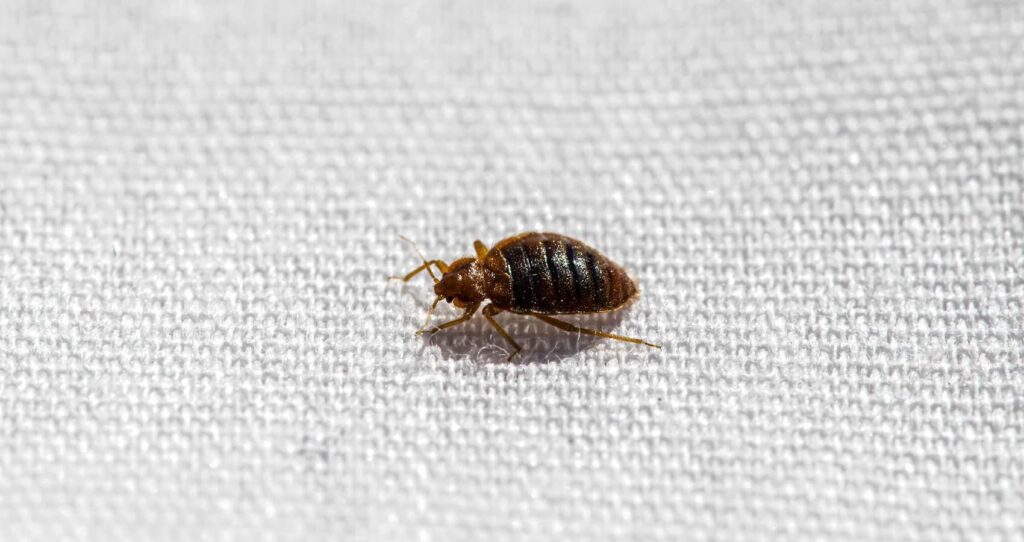
| Live Bed Bugs | Small, reddish-brown insects, oval-shaped, about 5–7 mm long. | Mattress seams, bed frames, and nearby furniture. | CDC, EPA |
| Shed Skins | Translucent, shell-like remains from molting. | Near hiding spots: seams, box springs, or under the bed. | Orkin |
| Rusty or Reddish Stains | Small blood smears from crushed bed bugs or feeding activity. | Sheets, pillowcases, and mattress surfaces. | Bed Bug Foundation |
| Black Spots (Droppings) | Tiny, ink-like black dots caused by bed bug feces. | Mattress seams, cracks in bed frames, and furniture joints. | NPMA, EPA |
| Eggs and Eggshells | Tiny, white, oval eggs (1 mm) that stick to surfaces; empty shells left behind after hatching. | Crevices, seams, or hidden areas near sleeping spaces. | Terminix |
| Musty Odor | A sweet, musty smell produced by bed bugs’ scent glands. | Small, enclosed spaces with heavy infestations. | Pest Control Technology |
| Clustered Bites | Red, itchy welts appearing in clusters or lines, often on exposed skin. | Found on the body after sleeping in infested areas. | Mayo Clinic, CDC |
1. Live Bed Bugs
- Appearance: Adult bed bugs are reddish-brown, oval-shaped, and about the size of an apple seed. Nymphs are smaller and lighter in color.
- Where to Look: Check seams, tufts, and folds of your mattress and bedding. Bed bugs hide in cracks and crevices during the day.
Source: Environmental Protection Agency (EPA)
2. Shed Skins
- As bed bugs grow, they shed their exoskeletons (molting). These translucent, shell-like remains are often found near their hiding spots.
Scientific Insight: Nymphs molt five times before reaching adulthood, leaving behind multiple skins.
3. What Are Signs of Bed Bugs in Your Bed? Rusty or Reddish Stains
- Blood Smears: Squished bed bugs leave small, rust-colored stains on sheets or mattresses. These may result from crushing bed bugs during sleep.
- Location: Examine pillowcases, sheets, and mattress surfaces for these stains.
4. Black Spots (Fecal Droppings)
- Bed bug droppings appear as small, black, ink-like stains. These spots do not smear easily and are often found along mattress seams or in corners of your bed frame.
Fact: Bed bug feces consist mainly of digested blood and can be tested using a peroxide solution to confirm their presence.
Source: Centers for Disease Control and Prevention (CDC)
5. What Are Signs of Bed Bugs in Your Bed? Eggs and Eggshells
- Description: Bed bug eggs are pearly white, about 1 mm long, and sticky, making them adhere to surfaces. Empty eggshells may also be present after hatching.
- Common Locations: Eggs are typically hidden in mattress seams, box springs, or nearby furniture cracks.
6. Musty Odor
- A heavy infestation often produces a distinct, musty, or sweet odor. This smell comes from pheromones released by bed bugs and can be more noticeable in small, enclosed spaces.
Pro Tip: If you notice this odor, conduct a thorough inspection immediately.
How to Inspect Your Bed for Bed Bugs
- Mattress and Box Spring:
- Focus on seams, tufts, and folds.
- Check the underside of the box spring and any fabric covering.
- Bed Frame and Headboard:
- Inspect cracks, screw holes, and joints in wooden or metal frames.
- Remove headboards if possible to check for hidden bed bugs.
- Bedding and Linens:
- Examine pillowcases, sheets, and blankets for stains or live bugs.
What Are Signs of Bed Bugs in Your Bed? How to Confirm a Bed Bug Infestation
If you suspect bed bugs but aren’t sure, consider these methods:
- Sticky Traps: Place them near bed legs or furniture to capture bed bugs.
- Professional Inspection: Pest control professionals use tools like canine detection and specialized vacuums to locate bed bugs effectively.
- DIY Detection Kits: Available online, these kits can help you confirm the presence of bed bugs through their droppings or eggs.
Source: National Pest Management Association (NPMA)
What to Do If You Find Signs of Bed Bugs
- Quarantine the Area: Avoid moving items from the infested room to prevent spreading.
- Wash Bedding: Use hot water and dry on the highest heat setting.
- Vacuum: Clean your mattress, bed frame, and surrounding areas thoroughly.
- Contact a Professional: Severe infestations often require heat treatment or chemical interventions.
Preventing Bed Bugs
- Regular Inspections: Check for signs every few weeks, especially if you travel frequently.
- Protective Covers: Use encasements on mattresses and box springs to eliminate hiding spots.
- Clutter Control: Minimize clutter around your bed to reduce potential hiding areas.