






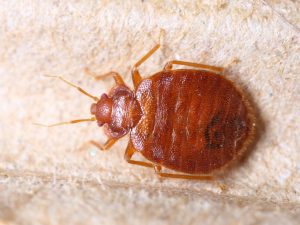
How Bed Bugs Spread (Updated for 2025)
Short Answer (2025 Update):
Understanding how bed bugs spread is key to preventing infestations. In 2025, over 72% of infestations start when people unknowingly transport these pests from hotels, Airbnbs, or public spaces. About 23% are traced to secondhand items, while 5% occur from bed bugs spreading between units in multi-dwelling buildings. Despite not flying or jumping, bed bugs spread fast — just not in ways you’d expect.
Bed bugs don’t live on humans like lice. They hide in our belongings and emerge at night to feed. The real problem is how bed bugs spread, not poor hygiene.
Bug Bug Spread from Travel: The #1 Way How Bed Bugs Spread
Travel remains the leading cause of how bed bugs spread. Bed bugs hide in hotels, luggage compartments, taxis, and even airport seating. They slip into bags, clothing, and laptop cases — often undetected.
Even upscale hotels can have bed bug problems. A 2025 NPMA survey shows 72% of new infestations were linked to recent travel. The bug bug spread often begins when luggage is placed on beds or floors.
Inspect mattresses, elevate your bags, and dry all clothes on high after travel to interrupt the cycle of how bed bugs spread.
Bug Bug Spread Through Used Furniture and Clothing
Another major factor in how bed bugs spread is secondhand shopping. Bed bugs often hide in the seams of couches, the backs of dressers, or the crevices of old bed frames — even if the furniture looks clean.
According to Health Canada, bed bugs can survive over 300 days without feeding. This makes “clean” used furniture a surprising vehicle for bug bug spread.
Always inspect used items thoroughly, treat them with a steamer, and wash all secondhand clothing on high heat before use.
Bug Bug Spread in Multi-Unit Housing
In apartments, condos, and student dorms, how bed bugs spread can occur without anyone moving. These insects crawl between units via electrical outlets, baseboards, vents, or plumbing gaps.
A University of Toronto study found that passive migration leads to bug bug spread between units, even if the infested unit is treated. If one tenant ignores it, the whole building becomes vulnerable.
Prevent this by sealing wall gaps, using outlet covers, and installing interceptors under furniture legs.
Bug Bug Spread in Schools, Offices, and Daycares
Public spaces are increasingly part of how bed bugs spread. Coats in shared lockers, bags on the floor, and upholstered seating all allow bugs to move quietly between people and places.
Children are often innocent carriers of bug bug spread via backpacks or lunchboxes. Schools and daycares with nap mats or shared blankets face greater risk.
The University of Nebraska Extension recommends hard-surface chairs, coat separation, and regular inspections to stop the spread.
Bug Bug Spread in Hospitals and Group Living Spaces
Hospitals, long-term care homes, and shelters are high-risk zones for how bed bugs spread. Constant turnover and shared storage make detection harder and control slower.
In these settings, linens, wheelchairs, and patient bags can serve as silent carriers of bug bug spread. One overlooked source is improper laundry handling — bed bugs can survive on improperly sanitized sheets or blankets.
PubMed research confirms regular inspections and staff training are crucial in healthcare settings.
Stopping Bug Bug Spread: Prevention Tips for 2025
Understanding how bed bugs spread is essential, but prevention is even more critical. In 2025, new pesticide resistance means chemical-only approaches are less reliable.
Best ways to stop bug bug spread:
- Inspect travel items outdoors before unpacking
- Use bed bug-proof mattress encasements
- Place interceptors under bed and sofa legs
- Vacuum luggage after trips
- Steam and isolate used items for 72 hours
- Avoid clutter to reduce hiding spots
Canine inspections and thermal remediation remain the gold standards for early detection and treatment
Bed Bug Spread & Infestation Growth
- How Quickly Can a Bed Bug Infestation Spread?
This article discusses how bed bug infestations can grow by 30–50% in a month, emphasizing the importance of early detection and intervention.
🔍 Bed Bug Identification & Detection
- Can You See Bed Bug Eggs?
Learn about the appearance of bed bug eggs, their typical hiding spots, and how to identify them to prevent further infestation. - Bed Bug Bites vs. Mosquito Bites: What’s the Difference?
Understand the distinctions between bed bug bites and mosquito bites, including symptoms and treatment options.
🧰 Professional Bed Bug Extermination Services
- Bed Bug Exterminator in Toronto
Explore PestLine’s comprehensive bed bug inspection and extermination services in Toronto, focusing on early detection and effective treatment. - Bed Bug Exterminator in Mississauga
Discover professional bed bug removal solutions in Mississauga, including thorough inspections and follow-up visits to ensure a pest-free environment. - Brampton Bed Bug Exterminator
Learn about advanced treatments in Brampton designed to eliminate bed bugs at all life stages, ensuring a 99% success rate on the first visit. - East York Bed Bug Exterminator
Find out about the best bed bug treatment options in East York, combining heat and chemical treatments for effective eradication.
🏠 Local Pest Control Services
Pest Control in Mississauga
Explore comprehensive pest control services in Mississauga, offering targeted solutions for various infestations, including bed bugs.
Pest Control in Burlington
Access tailored pest control solutions in Burlington, including safe and eco-friendly methods to eliminate bed bugs and other common pests.