







Are bed bugs due to poor hygiene?
It’s a widespread belief that bed bugs only infest dirty or unhygienic homes, but this simply isn’t true. According to the Centers for Disease Control and Prevention (CDC), bed bugs don’t discriminate based on cleanliness. They’re parasitic insects that are primarily attracted to humans through warmth and carbon dioxide, not dirt or food debris. This means they can be found in luxury hotels, clean suburban homes, apartments, or shelters. Stigmatizing infestations as a reflection of poor hygiene not only delays proper treatment but can also make people hesitant to seek help. The reality is, anyone can bring bed bugs into their home by accident, especially after traveling, using public transportation, or purchasing secondhand furniture.

🔬 What attracts bed bugs if not dirt?
Unlike cockroaches or ants, bed bugs are not scavengers—they feed exclusively on blood. They’re drawn to the body heat and carbon dioxide we emit while we sleep, which makes our beds an ideal habitat for them. According to entomologists at the University of Kentucky, bed bugs use thermal sensors and other cues to locate hosts, not food crumbs or unsanitary conditions. This biological reality means a clean home is just as likely to be targeted as a cluttered one. The presence of humans is the main attractant, not the level of cleanliness. This distinction is essential in understanding why infestations occur and why keeping your house spotless isn’t a reliable prevention method.
🔬 Do bed bugs prefer dirty environments or clean ones?
Scientific studies and pest control data show that bed bugs are completely indifferent to the cleanliness of their environment. What they care about is access to a host and hiding spaces. Whether it’s a clean hotel room or a disorganized bedroom, bed bugs only need small crevices to hide and a host to feed on. According to the U.S. Environmental Protection Agency (EPA), even the cleanest homes can become infested if bed bugs are accidentally brought inside. The real issue is not how clean a space is, but whether or not bed bugs are introduced through luggage, clothing, or used items. Therefore, while tidiness can help with early detection, it doesn’t make your space immune.
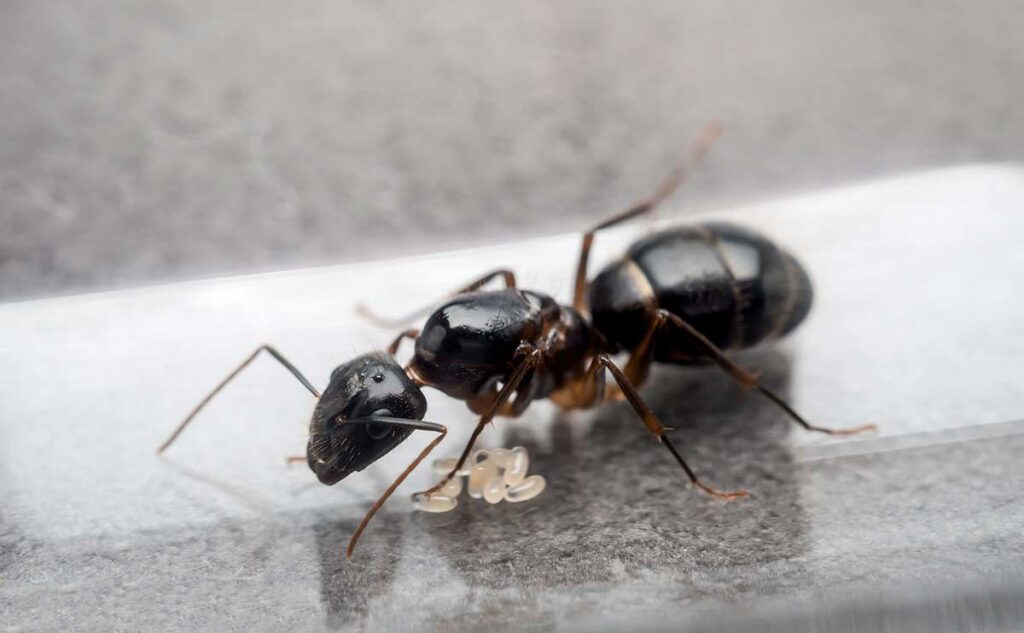
🔬 How bed bugs detect body heat and carbon dioxide instead of dirt
Bed bugs rely on complex biological mechanisms to find their next meal. They are equipped with sensors that can detect carbon dioxide exhaled by humans, as well as heat gradients given off by our bodies. These traits allow them to locate sleeping people in dark, quiet environments like bedrooms. This behavior is supported by multiple peer-reviewed sources including Medical and Veterinary Entomology, which confirms that bed bugs are essentially heat-seeking, blood-feeding pests. This means they are not drawn to dirt, trash, or dirty laundry because it’s unclean—they’re drawn to the warmth those items may have retained if they’ve recently been used by a person. Their attraction is purely biological, not hygienic.
🔬 Can a clean house still get bed bugs?
Absolutely. Bed bugs can infest even the most pristine homes because their spread is more about human movement than house maintenance. According to the National Pest Management Association (NPMA), bed bugs are world-class hitchhikers. They latch onto luggage, backpacks, used furniture, or even public seating, making it easy for them to travel between locations. Once inside, they quickly find places to hide near sleeping areas. Because they are so small and adept at hiding, people often don’t realize they’ve been infested until several weeks later. Cleanliness helps with quicker detection but doesn’t prevent their entry.
🔬 The lifecycle of bed bugs: Why cleanliness doesn’t stop an infestation
The lifecycle of bed bugs involves multiple stages—egg, nymph, and adult—and can last for several months depending on temperature and availability of blood meals. Cleaning alone doesn’t kill the eggs, which are often hidden in cracks, behind headboards, and inside furniture seams. According to Virginia Tech’s Department of Entomology, bed bugs can go months without feeding, making them resilient and difficult to eliminate through surface-level cleaning. Vacuuming and washing bedding might reduce numbers temporarily, but without targeted treatments like heat or pesticides, infestations will return and grow.
🔍 Top 5 myths about bed bugs and hygiene
Misinformation about bed bugs contributes to both stigma and ineffective treatment. According to the CDC, here are five common myths:
- Only dirty homes get bed bugs.
- Bed bugs live only in beds.
- If you can’t see them, you don’t have them.
- You’ll always feel bed bug bites.
- Regular cleaning prevents infestations.
These myths are not only wrong—they’re dangerous. Believing them may prevent someone from taking early action, resulting in a worse infestation. Knowledge, not blame, is the best defense against these pests.
🔍 Why bed bugs are not a sign of a dirty home
A bed bug infestation says nothing about a person’s hygiene or how well they maintain their home. In fact, Harvard School of Public Health has documented cases of infestations in high-end hotels and well-maintained residences. The common factor across all these situations was exposure to an infested source, not poor cleanliness. This means that the presence of bed bugs should be treated as a public health issue, not a personal failing. Reducing the stigma can help people take action faster and avoid emotional stress or social isolation.