






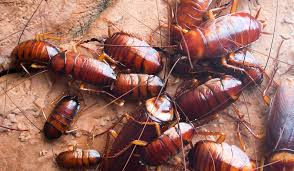
Can You 100% Get Rid of Roaches? The short answer: Yes, it is possible to completely eliminate roaches, but it requires a thorough and sustained approach. Professional pest control services are often the most effective, utilizing Integrated Pest Management (IPM) techniques that combine targeted treatments, such as baits, insect growth regulators, and residual insecticides, with preventive measures like sealing entry points and eliminating food, water, and shelter sources. While DIY methods can address minor infestations, severe cases demand expert intervention to ensure all roaches, including eggs, are eradicated. Success also depends on maintaining proper sanitation and consistent monitoring to prevent re-infestation.
Journal Entry – Day 310: Can You 100% Get Rid of Roaches?
Date: December 11, 2024
Location: Downtown Toronto, Residential High-Rise
Can You 100% Get Rid of Roaches? Yes but its hard and we are going to discuss why. Today feels like a milestone in my ongoing battle against cockroaches. I’ve been in the pest control business long enough to witness firsthand how resilient these creatures are. I’ve seen infestations that seemed unbeatable transform into success stories, only to have roaches make a comeback weeks later. I’ve spent years experimenting with treatments, refining strategies, and working with teams to understand roaches not just as pests but as formidable opponents. The question I often hear—”Can you truly get rid of roaches 100%?”—is one that requires more than just science; it calls for strategy, adaptability, and a willingness to learn from every battle.
Can You 100% Get Rid of Roaches? Roaches: An Evolutionary Marvel
Roaches are not just common pests; they are evolutionary marvels. These insects have existed for over 300 million years, far longer than many of us can fathom. Their durability and adaptability are products of millions of years of evolutionary survival. A roach’s ability to detoxify chemicals quickly is a testament to its resilience. Even pesticides that were once effective are now often shrugged off as minor inconveniences. This resistance is something every pest control specialist, like myself, must face head-on. In residential apartments and commercial kitchens, I’ve found that roaches have adapted so well that they often seem immune to treatments that should be foolproof.
When you consider that roaches can survive weeks without food and up to a month without water, it’s clear why they remain a persistent problem. These traits mean that traditional eradication efforts often fall short, and roaches can hide in places we wouldn’t think to check, such as behind electrical panels, under fridge seals, and even inside hollow furniture.
Targeting Every Stage of Life: Eggs, Nymphs, and Adults
Eliminating roaches requires targeting every stage of their life cycle—eggs, nymphs, and adults. Each stage presents unique challenges. Roach eggs are encased in a protective casing called an ootheca, which can withstand high temperatures, chemicals, and physical pressure. This casing ensures that even if the adult roaches are eliminated, new generations are waiting to emerge. A single egg case can hatch dozens of roach nymphs, which, within weeks, become fully grown adults.
My approach involves using multiple treatment methods that work synergistically. For example, gel baits attract roaches to feed on poison-laced substances that they then bring back to their colonies. Dust treatments, like boric acid, penetrate cracks and crevices where roaches hide, adhering to their exoskeletons and spreading toxins back to their nests. Heat treatments are also invaluable; I often use portable heaters to raise the temperature in targeted areas to levels roaches can’t survive. Unlike chemical treatments, heat is a non-toxic solution that eliminates infestations without leaving residues.
Why Persistence and Monitoring Are Key
One thing I’ve learned is that getting rid of roaches isn’t about a single attack—it’s about persistence and continuous monitoring. In the field, I often set up glue traps in strategic locations: kitchens, bathrooms, behind appliances, and under sinks. These traps not only capture roaches but also provide insight into their movement patterns. Analyzing the traps allows me to identify hotspots and adjust my strategies.
Roaches are clever at avoiding danger and adapting to treatments. Regular inspections and ongoing treatments are crucial. Every intervention is a puzzle, and pest control specialists must remain vigilant, learning from every success and setback. The truth is that cockroach control is rarely about a one-size-fits-all approach. It’s about creating a tailored plan that combines sanitation, exclusion, baiting, dusting, and heat applications—adjusting tactics as roaches evolve and respond.
Integrated Pest Management (IPM): The Comprehensive Solution
I always stress to clients that the key to long-term success lies in Integrated Pest Management (IPM). IPM is not just about using stronger pesticides; it’s about creating an environment where roaches can’t thrive. This includes sealing entry points, fixing leaks (since roaches seek water sources), and implementing proper waste disposal methods. In commercial kitchens, storing food in airtight containers and maintaining strict cleaning routines are essential to prevent roaches from establishing nests.
IPM combines preventative measures with reactive treatments, ensuring that once the roaches are eradicated, they don’t come back. My team and I often employ inspections with UV flashlights to detect roach trails and hidden nests, which are invisible to the naked eye but crucial in pinpointing infestation sources.
The Final Word
So, can you 100% get rid of roaches? The short answer is: almost, but not always. Roaches are incredibly resilient, but with a multifaceted approach, persistence, and a willingness to adapt strategies based on results, we can achieve near-total eradication. Each infestation is a new challenge that requires a deep understanding of roach biology, behavior, and resilience.
In my experience, success comes from persistence, a combination of scientific treatments and practical strategies, and a commitment to ongoing monitoring. My work is never truly finished. Even after an infestation is under control, vigilance is crucial because roaches will find new ways to adapt. As a pest control specialist, my job is to stay one step ahead of these formidable creatures, using science, experience, and relentless dedication to ensure that, ultimately, we win this battle—every time.