






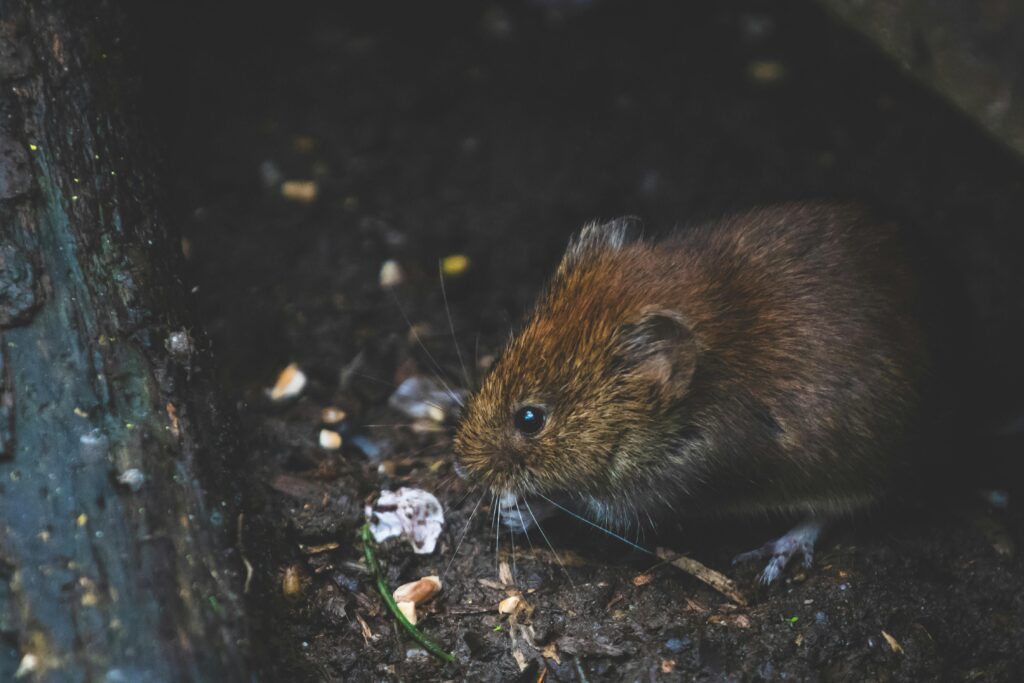
Best Pest Control Methods: Short Answer
For different pests, specific control methods yield the best results. The main options include chemical treatments, baiting systems, heat treatments, trapping, and eco-friendly solutions, each suited to different pest types, infestation levels, and environmental needs.
Detailed Guide to Pest Control Methods by Pest Type and Situation
Pest control methods vary widely and choosing the right one depends on the pest’s type, location, and infestation severity. Below is a comprehensive look at each method, highlighting when and why each might be the best choice.
1. Chemical Treatments and why they are the best pest control method
- Ideal For: General pests like ants, cockroaches, spiders, and occasionally termites.
- Description: Chemical treatments use insecticides or pesticides applied in targeted areas or as a broad spray. They are designed to kill or repel pests on contact or via ingestion.
- Pros:
- Effectiveness: Highly effective for a range of pests.
- Broad Coverage: Can treat large areas quickly.
- Residual Action: Often remains effective for weeks or months after application.
- Cons:
- Health Risks: Some chemicals can pose risks to humans and pets if not handled carefully.
- Environmental Impact: Chemicals can affect the surrounding environment, including water sources and non-target species.
- Resistance Issues: Overuse can lead to pest resistance, reducing long-term effectiveness.
- Typical Use Case: When an infestation is widespread and quick results are needed, such as in commercial kitchens or storage areas prone to pests.
2. Baiting Systems ( the second best pest control method)
- Ideal For: Ants, termites, cockroaches, and rodents.
- Description: Bait systems attract pests to a food source laced with a slow-acting poison. The pests carry the bait back to their colony or nest, spreading the toxin and eventually eliminating the population.
- Pros:
- Targeted Control: Limits impact on non-target species.
- Minimal Human Risk: Baits are often enclosed, making them safe for homes with pets and children.
- Effective for Colonies: Kills not just individual pests but can also collapse entire colonies.
- Cons:
- Slow Action: Can take days or weeks to see full results.
- Maintenance: Bait stations need regular monitoring and replacement.
- Typical Use Case: Effective for ants and termites, where reaching hidden nests is challenging. Baiting is a discreet, low-risk option that works well in homes, offices, and sensitive areas like hospitals.
3. Heat Treatments
- Ideal For: Bed bugs, certain wood-boring insects (like beetles), and pests sensitive to temperature changes.
- Description: Heat treatments involve raising the temperature in an infested space to a level lethal to pests (usually between 120°F and 135°F) for several hours. This effectively kills all life stages, including eggs, nymphs, and adults.
- Pros:
- Chemical-Free: No need for insecticides, making it safer for people and pets.
- Effective for All Life Stages: Kills eggs, larvae, and adult pests, reducing the chance of reinfestation.
- Quick Results: Unlike baits, heat treatment provides rapid, visible results in a single session.
- Cons:
- Costly: Heat treatments are often more expensive than other methods due to specialized equipment and labor.
- Requires Preparation: Homeowners must remove heat-sensitive items, adding time and effort to the process.
- Professional Use Only: Requires trained technicians and specialized equipment.
- Typical Use Case: Bed bug infestations, especially in residences, hotels, and hostels where chemical treatments might not be desirable or effective.
4. Which Pest Control Methods are Best? Traps and Physical Barriers
- Ideal For: Rodents (rats, mice), small wildlife (squirrels, raccoons), and sometimes insects like flies.
- Description: Traps physically capture pests, either to remove them from an area or to kill them. These can be snap traps, glue traps, or even live-capture traps for wildlife.
- Pros:
- Eco-Friendly: Traps are chemical-free and don’t contribute to environmental contamination.
- Humane Options: Live traps allow wildlife to be relocated rather than killed.
- Highly Targeted: Avoids impact on non-target animals and species.
- Cons:
- Labor Intensive: Traps require regular monitoring, emptying, and resetting.
- Limited Use: Not effective for all pests and impractical for large infestations.
- Some Risks for Pets: Pets and children may inadvertently trigger traps.
- Typical Use Case: Effective in homes, businesses, and outdoor spaces where chemical methods aren’t suitable or where only a few pests are present. Rodent control in urban areas often relies on traps to minimize chemical use.
5. Eco-Friendly and Non-Toxic Treatments
- Ideal For: Homes with children, pets, or environmental concerns; general pest control for insects like ants, roaches, and flies.
- Description: Eco-friendly options include organic sprays, natural oils (e.g., peppermint, cedarwood), diatomaceous earth, and other non-toxic substances that repel or kill pests without synthetic chemicals.
- Pros:
- Safe for Indoor Use: Safe for families, pets, and sensitive environments.
- Low Environmental Impact: Reduces pollution, protecting water sources and non-target species.
- Flexibility: Homeowners can often apply these themselves, with less need for professionals.
- Cons:
- May Require Frequent Application: Often less potent, so they may need to be applied repeatedly.
- Less Effective on Severe Infestations: Might not be enough for large or resistant pest populations.
- Typical Use Case: Ideal for homeowners seeking a safer, DIY approach for minor pest issues or as a preventive measure.
6.Which Pest Control Methods are Best? Fumigation
- Ideal For: Severe infestations, termites, cockroaches, and other resilient pests.
- Description: Fumigation fills an enclosed space with toxic gas or fumes, eliminating all pests within. This is generally a last resort due to its intensity.
- Pros:
- Highly Effective: Can eradicate all pests in one treatment, including those in hard-to-reach places.
- Comprehensive Solution: Effective against a range of pests simultaneously.
- Cons:
- High Risk: Toxic gases require strict safety precautions and professional oversight.
- Costly and Time-Intensive: Requires sealing the area and often takes days to complete.
- Environmental Impact: Releases chemicals into the environment, posing potential risks.
- Typical Use Case: Severe termite infestations in properties where other methods have failed. Often used in warehouses, storage facilities, and in buildings before new occupants move in.
Summary Table: Pros and Cons of Major Pest Control Methods
| Method | Best For | Pros | Cons |
|---|---|---|---|
| Chemical Treatments | General pests, fast control | Effective, broad coverage, residual action | Health/environmental risks, resistance |
| Baiting Systems | Ants, termites, cockroaches | Targeted, minimal human risk | Slower action, needs maintenance |
| Heat Treatments | Bed bugs, wood-boring insects | Chemical-free, all life stages | Expensive, requires prep, pro-only |
| Traps | Rodents, small wildlife | Eco-friendly, humane options | Labor-intensive, limited to small infestations |
| Eco-Friendly Treatments | General insects, homes with pets/kids | Safe for people/environment | May need frequent application, less potent |
| Fumigation | Severe, resistant pests | Comprehensive, high effectiveness | Toxic, costly, requires evacuation |
Choosing the Right Pest Control Method
Selecting the best pest control method depends on several factors, including the pest species, infestation severity, and any specific health or environmental concerns. For minor or isolated issues, traps or eco-friendly sprays may suffice, but for widespread or severe infestations, methods like heat treatments or fumigation provide a more thorough solution.